
How Community Projects Support Education in Rural Morocco
Education can open doors for children and young people, but lasting progress depends on more than lessons in a classroom. It also depends on families, local teams, safe spaces, useful resources and opportunities to keep learning.
Learning is connected to community life
In rural communities, education is shaped by daily life. School access, family responsibilities, transport, language and available materials can all influence a child’s learning experience. Community projects work best when they understand this wider context.
What volunteers can contribute
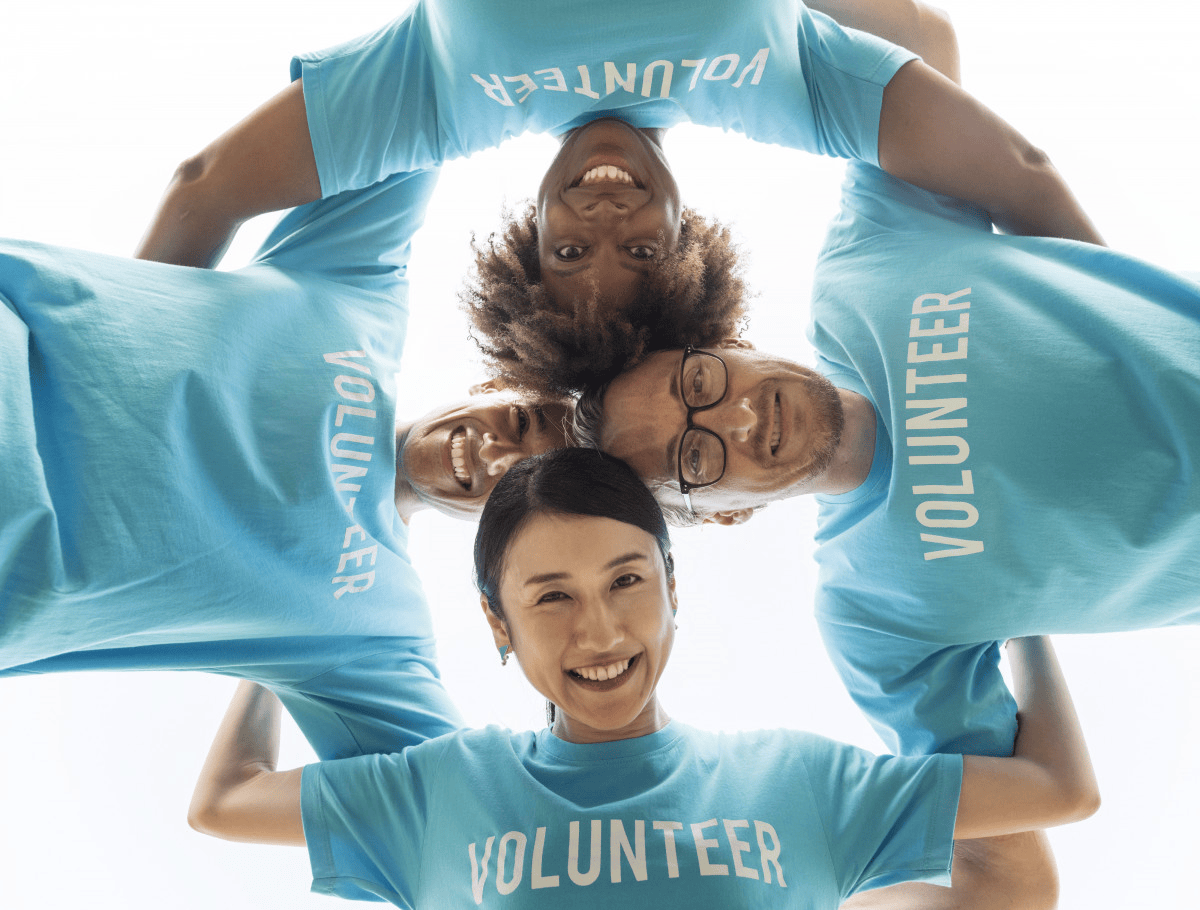
Volunteers may support language practice, creative activities, reading, sports or educational workshops. The goal is not to replace teachers or local professionals. It is to add energy, encouragement and practical support under the direction of local partners.
Small resources can make a difference
Books, art materials, sports equipment and learning activities can help create more engaging opportunities. Resources are most useful when they are selected with the community and suited to local needs.
Building confidence and connection
Children and young people benefit when adults listen to them, encourage their ideas and celebrate their progress. A positive activity can build confidence, communication skills and a stronger sense of belonging.
Working for lasting impact
Responsible projects focus on continuity. They build relationships, share knowledge and support local leadership instead of depending only on short visits. Volunteers can contribute by being reliable, respectful and willing to learn.
Join the mission
Heart of Atlas connects volunteers with community-focused activities in Morocco. Explore the programs to learn how you can support education, cultural exchange and opportunities for local communities.
